

Feeling drained even after a good night’s sleep can make daily demands seem impossible. More American women now realize that true wellness means nurturing not just physical health, but emotional and hormonal balance too. By exploring ancestral nutrition and natural supplements, you can embrace a personalized path toward steady energy and hormonal harmony. This guide shows how multiple dimensions of well-being work together so you can find sustainable wellness strategies that fit your unique needs as your life evolves.
Table of Contents
- Defining Wellness For Women Today
- Core Dimensions Of Women’s Wellness
- Unique Wellness Needs Across Life Stages
- Nutrition’s Role In Hormones And Energy
- Common Challenges And Best Practices
Key Takeaways
| Point | Details |
|---|---|
| Holistic Wellness | True wellness encompasses physical, emotional, mental, social, and spiritual health, requiring a multi-dimensional approach. |
| Personalized Strategies | Women face unique health challenges that need individualized wellness strategies based on life stages and hormonal changes. |
| Progress Over Perfection | Focus on making small, continuous improvements rather than striving for a perfect state of wellness. |
| Nutrition’s Vital Role | Nutritional choices directly impact hormonal balance and energy levels, so it’s important to eat for your body’s specific needs. |
Defining Wellness for Women Today
Wellness isn’t just the absence of illness. It’s an active, ongoing process where you make daily choices that support balance across multiple areas of your life.
The World Health Organization defines wellness as complete physical, mental, and social well-being—a comprehensive view that goes far beyond what a doctor’s visit can measure. But here’s what matters for you right now: wellness is deeply personal.
What Wellness Actually Means for Your Life
Wellness today encompasses far more than traditional health metrics. It includes:
- Physical health: Energy levels, hormonal balance, strength, and how your body feels day-to-day
- Emotional well-being: Managing stress, processing emotions, and feeling stable
- Mental clarity: Focus, cognitive function, and decision-making ability
- Social connection: Meaningful relationships and community support
- Spiritual alignment: Values, purpose, and what gives your life meaning
The key difference? Multiple dimensions of well-being work together. You can’t achieve true wellness by only focusing on physical health while ignoring emotional or spiritual needs.
The Wellness Gap Women Face
Women today face unique health challenges that traditional wellness discussions often overlook. Conditions like breast cancer, menopause complications, and cardiovascular disease disproportionately affect women’s quality of life and require personalized approaches.
This is where biological, social, and economic factors intersect. Your wellness depends not just on personal choices, but on understanding your body’s specific needs at different life stages.
For women in your situation—managing hormones, seeking energy, balancing work and wellness—this personalized approach is non-negotiable.
Progress Over Perfection
Wellness isn’t about achieving a perfect state and maintaining it forever. It’s about making continuous, small improvements that compound over time.
Some days you’ll feel energized and focused. Other days, you’re managing fatigue or hormonal fluctuations. Both are normal. The goal is progress, not perfection—building sustainable habits that support your body and mind consistently.
True wellness for women means honoring your body’s unique needs and making choices that create lasting balance, not chasing an impossible ideal.
Pro tip: Start tracking one wellness dimension that matters most to you right now—whether that’s energy levels, hormonal balance, or emotional stability—and build from there rather than overhauling everything at once.
Core Dimensions of Women’s Wellness
True wellness isn’t one-dimensional. It’s the interaction of multiple interconnected areas that all influence how you feel, function, and thrive in daily life.
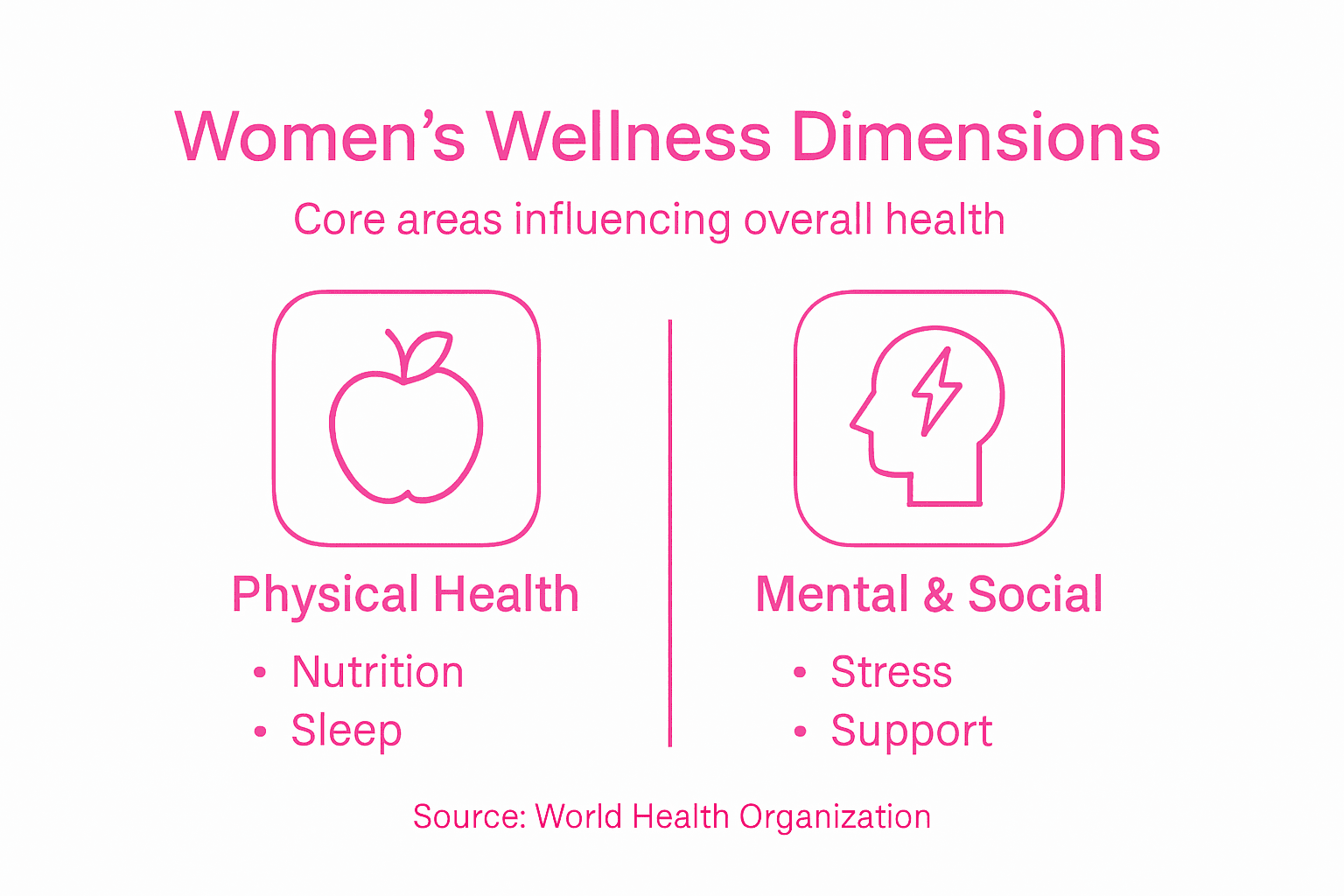
Understanding these core dimensions helps you identify which areas need attention right now. Rather than trying to fix everything at once, you can focus on what matters most to your specific situation.
The Nine Core Dimensions
Multiple dimensions of well-being work together to create complete wellness. Here’s what each one covers:
- Physical wellness: Energy, strength, hormonal balance, and how your body performs daily
- Emotional wellness: Managing stress, processing feelings, and maintaining emotional stability
- Mental wellness: Cognitive clarity, focus, and psychological resilience
- Occupational wellness: Satisfaction with work, purpose, and professional engagement
- Social wellness: Quality relationships, community connection, and support systems
- Spiritual wellness: Alignment with values, meaning, and life purpose
- Intellectual wellness: Learning, growth, and mental stimulation
- Environmental wellness: Safe living spaces and connection to nature
- Financial wellness: Security, stability, and reduced money-related stress
Women-Specific Health Considerations
Women face unique wellness challenges that deserve targeted attention. Women-specific diseases and conditions like breast cancer, cervical cancer, menopausal health issues, and reproductive conditions significantly impact overall wellness.
Beyond disease prevention, your wellness depends on hormonal health, reproductive function, and how social roles influence mental health. These aren’t separate concerns—they’re interconnected parts of your complete wellness picture.
How These Dimensions Connect
A practical example: hormonal imbalance (physical) triggers mood swings (emotional), which affects your work performance (occupational) and strains relationships (social). Addressing only one dimension won’t solve the problem.
When you support your physical health through proper nutrition and rest, your mental clarity improves, relationships strengthen, and you perform better professionally. The dimensions amplify each other.
Sustainable wellness happens when you balance all dimensions, not when you perfect one while neglecting others.
This is why ancestral nutrition approaches matter. They address foundational physical health, which then supports emotional stability, mental clarity, and everything else.
Pro tip: Assess each dimension honestly this week, identify your weakest area, and commit to one small action that strengthens it—like adding nutrient-dense foods to support physical and emotional wellness.
Unique Wellness Needs Across Life Stages
Your wellness needs aren’t static. They shift dramatically as your body changes, your hormones fluctuate, and your life circumstances evolve.
What works for you at 25 won’t work at 35, and both differ significantly from your needs at 45 or beyond. Recognizing these changes allows you to adjust your wellness strategy proactively instead of struggling with approaches that no longer fit.
Adolescence and Early Adulthood
These years focus on establishing healthy patterns for life. Key wellness priorities include:
- Managing menstrual cycle health and regularity
- Building energy and physical fitness foundations
- Developing emotional resilience and stress management skills
- Establishing nutritional habits that support hormonal balance
The habits you build now create momentum for decades ahead. Prioritizing foundational nutrition during these years pays dividends throughout your reproductive years.
Reproductive Years (25-40)
This stage brings multiple overlapping demands. Energy needs spike, hormonal fluctuations intensify, and many women juggle career, relationships, and family planning simultaneously.
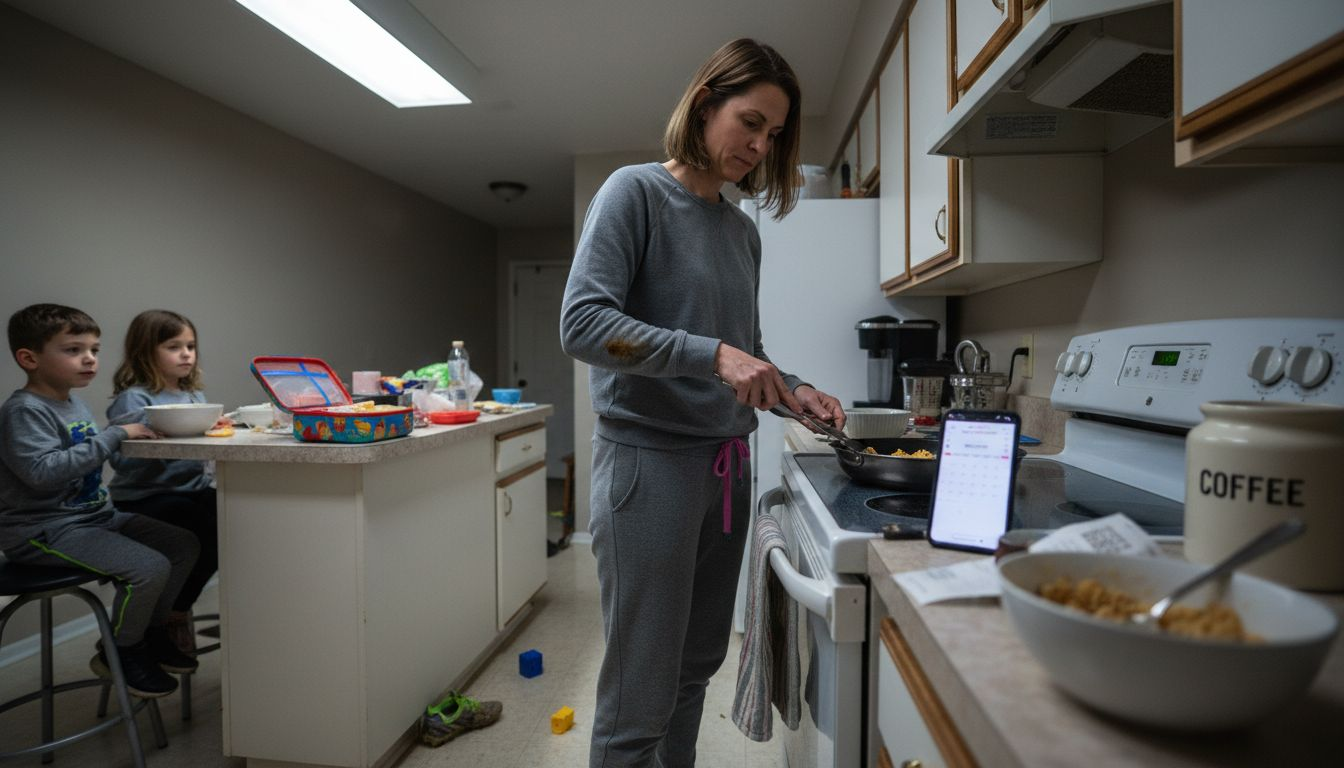
Wellness during reproductive years requires attention to contraception choices, pregnancy planning or management, and maintaining energy despite competing demands. Hormonal balance becomes increasingly important as you navigate these transitions.
For many women in this phase, nutrient density becomes critical. Your body requires more from less time available.
Perimenopause and Menopause
Hormonal shifts during this transition create distinct wellness challenges. You may experience:
- Unpredictable mood swings and emotional changes
- Sleep disruptions affecting energy and recovery
- Metabolic changes influencing weight and energy levels
- Changes in bone density and cardiovascular health
Hormonal and metabolic changes require tailored support. This isn’t a temporary inconvenience—it’s a life stage requiring intentional, personalized wellness strategies.
Many women find ancestral nutrition approaches particularly valuable here, as targeted nutrient support addresses multiple simultaneous changes.
Older Adulthood
Wellness shifts toward maintaining strength, independence, and disease prevention. Focus areas include:
- Maintaining muscle mass and functional strength
- Supporting bone health and cardiovascular wellness
- Managing chronic disease prevention
- Sustaining cognitive clarity and mental sharpness
Your wellness needs change across life stages, and recognizing these shifts allows you to provide exactly what your body needs now, not what worked five years ago.
Pro tip: Identify which life stage you’re currently in, then assess whether your current wellness routine actually addresses the specific challenges of that stage rather than habits from a previous phase.
To help you visualize how wellness needs evolve at different life stages, see this summary table:
| Life Stage | Major Wellness Focus | Nutritional Priorities | Key Challenge |
|---|---|---|---|
| Adolescence | Building healthy patterns | Iron, balanced meals | Managing new hormonal cycles |
| Reproductive Years | Energy and hormonal balance | Nutrient density, B vitamins | Balancing work and family demands |
| Perimenopause | Adapting to hormonal shifts | Magnesium, protein, healthy fats | Mood swings and sleep disruptions |
| Older Adulthood | Preventing decline, independence | Calcium, omega-3s, antioxidants | Maintaining strength and clarity |
Nutrition’s Role in Hormones and Energy
Your body doesn’t run on willpower or positive thinking. It runs on nutrients. What you eat directly influences your hormones, which control your energy, mood, metabolism, and how you feel throughout the day.
This isn’t abstract theory. The connection between nutrition and hormonal function is biological and measurable. When you eat for hormonal support, everything else improves.
How Hormones Control Your Energy
Estrogen and progesterone are your primary energy regulators. These hormones influence how efficiently your body burns fuel, whether you feel energized or depleted, and how much sleep you actually need.
Hormonal fluctuations significantly influence energy metabolism and nutrient absorption. When your hormones are imbalanced, even quality sleep and exercise don’t restore your energy.
Nutrition directly supports hormone production. Without adequate nutrients, your body cannot manufacture the hormones you need to feel vibrant.
Nutrient Demands Shift With Your Cycle
Your nutritional needs aren’t constant month to month. They fluctuate with hormonal changes:
- Menstrual phase: Higher iron needs due to blood loss; more carbohydrates support mood stability
- Follicular phase: Energy increases; nutrient absorption improves
- Ovulation: Metabolism spikes; protein needs increase
- Luteal phase: Calorie needs rise by 100-300 daily; magnesium and B vitamins become critical
Eating the same foods in the same amounts year-round ignores these biological realities. Tailoring nutrition to your cycle optimizes hormone function and stabilizes energy.
The Nutrient Density Connection
Optimal nutrition supports hormonal function and energy balance across all life stages. But not all calories are created equal.
A 300-calorie candy bar and 300 calories of nutrient-dense organ meat create completely different hormonal outcomes. Your body uses the second option to build hormones; the first leaves you depleted.
Nutrient-dense foods—especially those rich in iron, B vitamins, zinc, and healthy fats—provide the raw materials your body needs to produce and regulate hormones efficiently.
Real Impact on Daily Life
When your nutritional foundation is solid, hormonal balance improves, which means:
- Energy remains stable throughout the day
- Mood swings decrease significantly
- Sleep quality deepens
- Metabolism functions optimally
- Mental clarity sharpens
This isn’t about perfection. It’s about providing your body the specific nutrients it demands at different cycle phases and life stages.
Hormonal balance starts with nutrition—give your body the nutrients it needs to produce the hormones that power your life.
Pro tip: Track your energy levels for one full cycle, noting when you feel depleted versus vibrant, then identify which nutrient-dense foods you consumed on high-energy days and prioritize those during similar phases next month.
Common Challenges and Best Practices
Wellness for women isn’t just about personal choices. Structural barriers, healthcare gaps, and biological complexity create real obstacles that willpower alone cannot overcome.
Understanding these challenges helps you navigate them strategically rather than blaming yourself for struggles that reflect systemic issues. Best practices acknowledge reality while building sustainable solutions within your control.
The Wellness Barriers Women Face
Many women experience challenges that go beyond individual decision-making. Common obstacles include:
- Healthcare gaps: Female-specific conditions like menopause symptoms and reproductive disorders are frequently underdiagnosed and undertreated
- Access disparities: Cost, time, and location barriers prevent consistent healthcare and wellness support
- Hormonal complexity: Managing fluctuating hormones while maintaining energy and focus is genuinely difficult
- Time scarcity: Balancing work, family, and self-care leaves little room for elaborate wellness routines
- Information overload: Conflicting advice makes it hard to identify what actually works for your body
These aren’t personal failures. They’re real challenges that require practical, realistic solutions.
Here’s a quick reference table on common wellness barriers and practical solutions for women:
| Barrier | Why It Matters | Practical Solution |
|---|---|---|
| Healthcare gaps | Delays diagnosis and treatment | Seek specialist and advocate |
| Time scarcity | Limits self-care opportunities | Build simple, consistent routines |
| Information overload | Confuses decision-making | Track own patterns and results |
| Access disparities | Restricts wellness resources | Use community and online support |
Healthcare and Diagnosis Gaps
Female-specific conditions remain underdiagnosed and undertreated in many healthcare systems. Menopause symptoms, autoimmune diseases, and reproductive health disorders often take years to properly diagnose.
This means you may need to advocate for yourself, seek specialist opinions, and educate yourself about your body. It’s unfair, but awareness helps you move forward strategically.
Practical Best Practices for Real Life
Managing hormonal fluctuations requires comprehensive approaches that integrate multiple wellness dimensions. Effective strategies include:
- Prioritize nutrient density over calorie counting—your body needs specific nutrients at different cycle phases
- Track patterns to understand your personal energy and mood cycles rather than following generic advice
- Invest in foundational health through consistent sleep, stress management, and movement
- Build sustainable habits rather than pursuing perfection or restrictive approaches
- Seek quality healthcare and don’t settle for dismissive providers who minimize your concerns
- Connect with community whether through friends, online groups, or healthcare providers who understand women’s health
Making Wellness Fit Your Life
The best wellness strategy is one you’ll actually maintain. That means acknowledging constraints—time, budget, energy—and building within them.
You don’t need elaborate routines. You need consistent, foundational support: quality nutrition, adequate sleep, movement that feels good, and stress management that’s realistic for your situation.
The best wellness practice is the one that fits your actual life, not the one that looks perfect on Instagram.
Pro tip: Choose ONE wellness foundation to strengthen first—whether that’s sleep quality, nutrient density, or stress management—and master that before adding complexity rather than overhauling everything simultaneously.
Unlock Your Natural Wellness with Hiprimal
The article highlights the unique hormonal and nutritional challenges women face across different life stages. If you are seeking real energy, hormone balance, and emotional stability through a nutrient-dense foundation, ancestral nutrition can be your game changer. Hiprimal.com offers pure, grass-fed beef organ supplements designed specifically for women who want to support their wellness journey sustainably and effectively. These supplements provide foundational nutrients that help stabilize your hormones and boost vitality in a natural way.
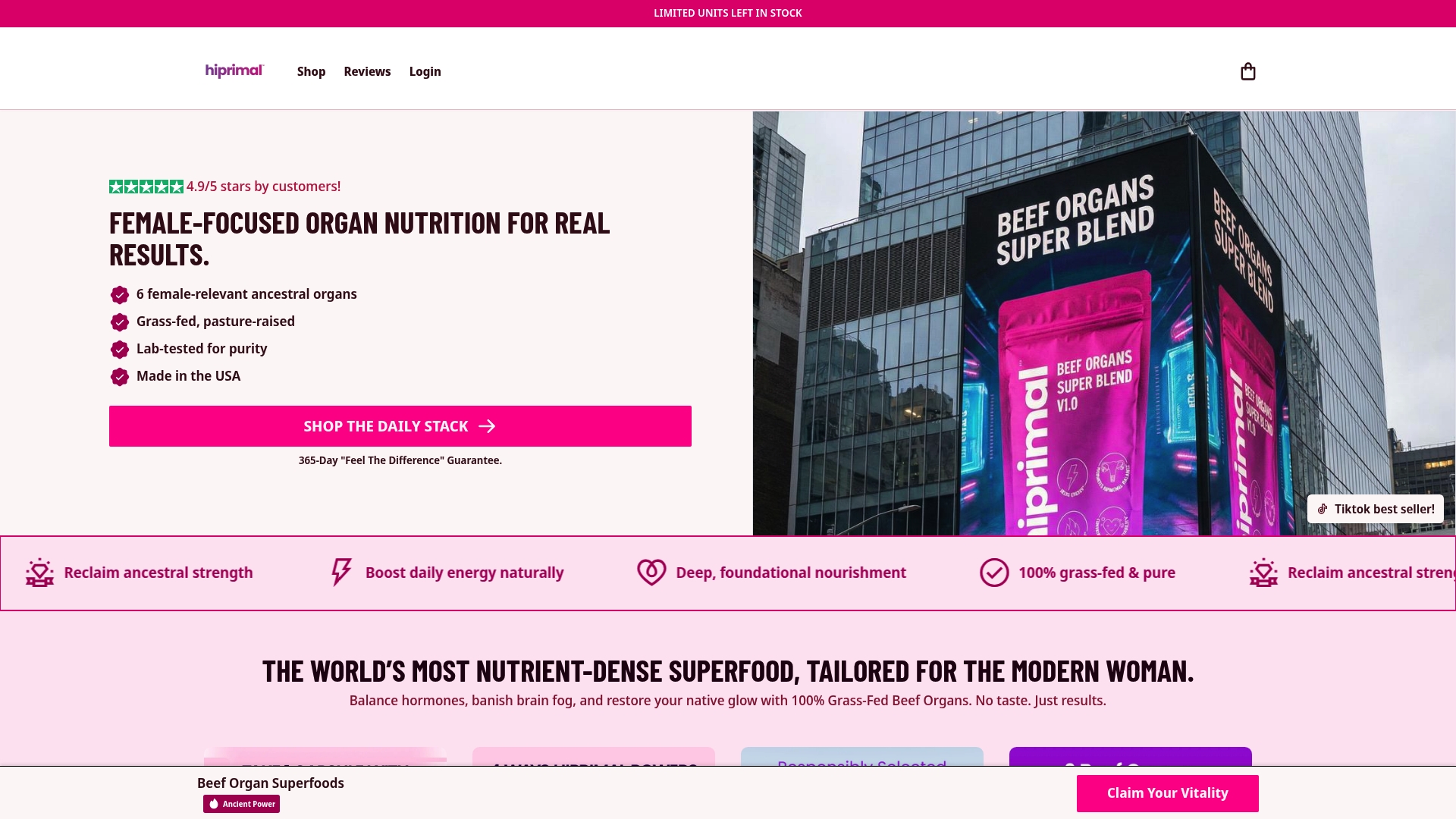
Experience the power of real food in a pill and take the next step toward balanced wellness. Browse Hiprimal’s products today and empower your health with ancestral wisdom backed by modern quality standards. Don’t wait to nourish your body with the nutrients it truly needs to thrive—start your transformation now by visiting Hiprimal.com.
Frequently Asked Questions
What does wellness mean for women?
Wellness for women encompasses complete physical, mental, and social well-being. It is about making daily choices that support balance across various life dimensions such as physical health, emotional well-being, and social connections.
How do hormonal changes affect women’s wellness?
Hormonal changes significantly impact women’s energy levels, mood, and overall health. Understanding and managing these fluctuations through nutrition and lifestyle choices is crucial for maintaining wellness throughout different life stages.
What are the core dimensions of women’s wellness?
The core dimensions of women’s wellness include physical, emotional, mental, occupational, social, spiritual, intellectual, environmental, and financial wellness. These dimensions interact with one another, influencing overall health and well-being.
Why is nutrition important for women’s wellness?
Nutrition plays a vital role in women’s wellness as it directly affects hormonal balance and energy levels. Consuming nutrient-dense foods supports hormone production, which helps stabilize mood, improve energy, and enhance metabolic function.
Recommended
- hiprimal.com
- Beef Organ Superfoods – hiprimal.com
- Your Privacy Choices – hiprimal.com
- Home page – hiprimal.com