

Feeling rundown or fighting off the same seasonal bugs can leave you searching for better ways to strengthen your immune health. With so much advice online, it is easy to wonder which supplements truly support your body’s defenses and make a visible difference in how you feel each day.
The right nutrients do more than just fill the gaps in your diet. They interact with your immune system at a cellular level, fueling the production of immune cells, enhancing your body’s natural response, and even shortening the discomfort when illness strikes. Research shows nutrients like trans-vaccenic acid from beef, vitamin C, and zinc play powerful roles in supporting immune function, defending against infections, and helping you recover faster.
You are about to uncover practical, science-backed supplement strategies that build long-term resilience and take the guesswork out of feeling your best. From foundational nutrients to smart timing tips, these proven approaches will help you discover what your immune system really needs to stay strong year-round.
Table of Contents
- 1. Beef Organ Supplements For Immune Strength
- 2. Vitamin C For Natural Immune Defense
- 3. Zinc For Enhanced Immune Function
- 4. Probiotics For Gut And Immunity Support
- 5. Colostrum For Foundational Immune Health
- 6. Timing And Combining Supplements For Maximum Results
Quick Summary
| Takeaway | Explanation |
|---|---|
| 1. Beef organ supplements boost immune cells | These supplements provide essential nutrients that enhance the performance of your immune system’s cells for better defense against threats. |
| 2. Consistent vitamin C intake is crucial | Regular supplementation helps maintain optimal immune function and reduces the duration and severity of illnesses, especially under stress. |
| 3. Zinc is essential for immune balance | Adequate zinc supports both innate and adaptive immunity, helping the body respond appropriately to infections without overreacting. |
| 4. Probiotics restore gut health | A balanced gut microbiome is vital for immune support, and probiotics help to maintain beneficial bacteria crucial for immunity. |
| 5. Strategic timing enhances supplement effectiveness | Timing your supplements correctly can significantly improve their absorption and impact, ensuring maximum benefits for your immune system. |
1. Beef Organ Supplements for Immune Strength
Your immune system is your body’s frontline defense, and beef organ supplements contain targeted nutrients that fuel immune cell performance. When you support your cells at the nutritional level, you’re giving your body the raw materials it needs to fight threats effectively.
Beef organs like liver, heart, and bone marrow are nutritional powerhouses packed with bioavailable nutrients your immune cells crave. These aren’t synthetic imitations—they’re the exact micronutrients your body evolved to recognize and utilize from ancestral nutrition patterns.
Why Beef Organs Matter for Immunity
Your immune system relies on specific nutrients to activate and function optimally. Trans-vaccenic acid in beef from grazing animals enhances CD8+ T cells, the specialized immune warriors that target threats and support your body’s defense response. This fatty acid works at the cellular level to boost immune activation.
Beyond fatty acids, beef organs deliver:
- Iron and copper for immune cell production and function
- Zinc for T cell development and antibody response
- B vitamins that fuel immune cell energy and activity
- Selenium for antioxidant immune protection
- Heme iron that your body absorbs more efficiently than plant sources
Ancestral populations thrived on organ meats because these nutrient-dense foods supported immune strength and overall vitality through real, whole-food nutrition.
Women aged 25-45 face unique immune challenges from hormonal cycles, stress, and lifestyle factors. Beef organ supplements provide concentrated nutrition without added fillers or synthetic binders. You’re getting what ancient peoples considered sacred food—the most nutritious parts of the animal.
These supplements work best as part of a consistent routine. Your immune system doesn’t strengthen overnight, but with regular nutritional support, you’ll notice improved energy, faster recovery from stress, and better resilience during seasonal challenges.
Pro tip: Take beef organ supplements consistently at the same time each day—morning with breakfast works well—to allow your body to build up these nutrients over time for steady immune support rather than sporadic dosing.
2. Vitamin C for Natural Immune Defense
Vitamin C is one of the most studied nutrients for immune support, and for good reason. This water-soluble powerhouse works at the cellular level to strengthen your body’s natural defenses and help you bounce back faster from physical stress.
Unlike many nutrients your body stores, vitamin C must be replenished regularly since your body cannot manufacture it. This means consistent supplementation matters more than sporadic dosing, especially during seasons when your immune system faces greater demands.
Your immune cells depend on vitamin C to function at their peak. Vitamin C supports antibody production and enhances immune cell activity while protecting cells from oxidative damage. Think of it as both a fuel and a shield for your immune warriors.
Beyond immune support, vitamin C plays multiple roles in your body:
- Antioxidant protection against cellular stress and damage
- Collagen synthesis for skin, joint, and tissue health
- Inflammatory modulation to keep responses balanced
- Absorption enhancement for other important minerals like iron
- Symptom duration reduction when colds do occur
Research shows that regular vitamin C intake can reduce cold duration and severity, particularly for women under physical or environmental stress. This isn’t about prevention in the traditional sense, but rather about reducing how long you suffer and how intensely symptoms affect you.
Consistency matters more than megadoses. Your body uses what it needs and excretes excess vitamin C, making daily supplementation your best strategy for sustained immune support.
Women in your age group often juggle multiple demands, creating ongoing physical stress that depletes vitamin C stores. Your body uses this nutrient faster during periods of high stress, intense exercise, or seasonal challenges. Regular supplementation helps maintain the vitamin C reserves your immune system needs to stay resilient.
Pro tip: Take vitamin C with a meal containing fat or healthy carbohydrates to optimize absorption and avoid stomach upset, especially if you’re new to supplementation.
3. Zinc for Enhanced Immune Function
Zinc is a trace mineral your body cannot produce on its own, yet it’s essential for nearly every aspect of immune function. Think of zinc as the conductor orchestrating your immune system’s response to threats and maintaining balanced cellular communication.
Your immune cells rely on zinc to differentiate, activate, and respond appropriately to pathogens. Without adequate zinc, your immune system operates at reduced capacity, leaving you more susceptible to infections and slower to recover when illness strikes.
Zinc regulates both innate and adaptive immunity while controlling oxidative stress and inflammatory responses. This dual action makes zinc unique because it doesn’t just boost immunity—it keeps your immune response balanced and proportional.
Zinc deficiency creates multiple problems for your immune system:
- Impaired cell-mediated immunity that reduces your ability to fight infections
- Elevated inflammatory responses that can become chronic and damaging
- Diminished pathogen clearance meaning infections linger longer
- Slower wound healing from cuts, scrapes, or surgical recovery
- Increased infection susceptibility to colds, flu, and other common illnesses
Women in your demographic often fall short on zinc intake due to lifestyle factors and dietary choices. Stress accelerates zinc depletion, and hormonal fluctuations throughout your cycle can affect absorption and retention.
Zinc supplementation reduces cold symptom duration and supports your immune system’s ability to mount an effective response when you need it most.
The beauty of zinc is that your body signals when you need it. You might notice fatigue, slower healing, or more frequent minor infections—these are your body’s way of indicating zinc stores are running low. Unlike some nutrients that accumulate, zinc requires consistent replenishment.
Optimal zinc supplementation works best alongside other immune nutrients like vitamin C and beef organ supplements. Combined, these work synergistically to create a comprehensive immune support system that addresses multiple pathways of immune function.
Pro tip: Take zinc with food but separately from high-fiber meals and calcium-rich foods, as these can interfere with absorption and reduce the effectiveness of your supplementation.
4. Probiotics for Gut and Immunity Support
Your gut is home to trillions of microorganisms that profoundly influence your immune strength and overall health. Probiotics are beneficial bacteria that work to restore balance in your gut microbiota, creating a foundation for robust immune function.
Think of your gut as the headquarters of your immune system. Approximately 70 percent of your immune cells live along your digestive tract, making gut health inseparable from immune health. When your microbiome is balanced, your immune system operates optimally.
When you take antibiotics, undergo stress, or consume processed foods, your gut microbiota becomes disrupted. Probiotics help restore microbiome balance disrupted by antibiotics and other factors that damage beneficial bacteria populations.
Probiotics work through multiple mechanisms to support immunity:
- Creating barriers to pathogens that prevent harmful organisms from establishing themselves
- Producing antimicrobial substances that inhibit dangerous bacteria growth
- Modulating immune cell activity to mount appropriate responses
- Promoting microbial diversity which strengthens your overall microbiome resilience
- Supporting nutrient absorption so your body gets maximum value from food
Your gut microbiota communicates constantly with your immune system through the gut barrier. Probiotics modulate immune responses by training your immune cells to distinguish between threats and harmless substances, reducing unnecessary inflammation.
A balanced gut microbiome with diverse beneficial bacteria is your strongest line of defense against pathogens and immune dysfunction.
Women often experience shifts in their microbiome due to hormonal fluctuations and antibiotic use. Restoring and maintaining probiotic diversity becomes increasingly important during times of stress, hormonal changes, or seasonal immune challenges.
Probiotics work best when combined with other immune nutrients. Pairing probiotic supplementation with beef organ supplements, vitamin C, and zinc creates a comprehensive approach that addresses immunity from multiple angles.
Consistency matters with probiotics because beneficial bacteria populations naturally turn over. Taking your probiotics daily ensures you maintain populations of beneficial microorganisms rather than relying on sporadic dosing.
Pro tip: Take probiotics on an empty stomach with water, about 30 minutes before meals, to ensure the beneficial bacteria reach your gut alive and uncompromised by stomach acid.
5. Colostrum for Foundational Immune Health
Colostrum is nature’s first supplement, the nutrient-dense fluid mammals produce immediately after birth. This liquid gold contains concentrated immune factors and growth compounds that establish the foundation for lifelong immune strength and resilience.
Newborns enter the world with immature immune systems that cannot yet recognize or fight threats. Colostrum transfers critical antibodies, especially immunoglobulin G (IgG), that provide immediate immune protection during the vulnerable early weeks of life.
While colostrum’s primary role is supporting newborns, adult supplementation offers significant benefits for immune maturation and tissue repair. Colostrum contains antimicrobial components and growth factors that promote immune maturation long after infancy.
Colostrum delivers multiple layers of immune support:
- Antibodies (immunoglobulins) that neutralize specific pathogens
- Lactoferrin with antimicrobial and anti-inflammatory properties
- Growth factors that repair intestinal barriers and strengthen immunity
- Proline-rich polypeptides (PRPs) that regulate immune cell communication
- Probiotics and prebiotics that feed beneficial gut bacteria
- Peptides that modulate inflammatory responses
Bovine colostrum supports foundational immune health by providing the same immune-building compounds that protected you during infancy. Think of it as nutritional scaffolding for your immune system.
Colostrum bridges the gap between your current immune capacity and optimal function by providing concentrated factors your body recognizes from early development.
Women aged 25-45 face mounting immune demands from stress, hormonal changes, and environmental exposures. Colostrum supplementation restores some of the immune advantages you possessed at birth, strengthening your system at its foundation rather than just surface level.
Colostrum works synergistically with beef organ supplements and probiotics. When combined, these supplements create a multi-layered immune support strategy addressing gut health, immune maturation, nutrient density, and pathogen defense simultaneously.
The timing of colostrum supplementation matters less than consistency. Taking colostrum daily allows these immune factors to accumulate in your system, gradually strengthening your baseline immune capacity and resilience.
Pro tip: Take colostrum in the morning on an empty stomach or mixed with cool water, as heat and stomach acid can damage some of its delicate immune factors, reducing effectiveness.
6. Timing and Combining Supplements for Maximum Results
Taking supplements at the right time with the right combinations is just as important as choosing quality products. Strategic timing and pairing can dramatically increase absorption and effectiveness, while poor combinations can actually reduce the benefits you receive.
Your body processes different nutrients through different mechanisms, and some compete for absorption while others work synergistically. Understanding these interactions transforms your supplement routine from random to intentional and optimized.
Nutrient synergy requires attention to timing and combinations because certain nutrients enhance each other while others interfere with absorption. Vitamin C helps iron absorption, but calcium can block it. Zinc and copper need proper spacing to avoid competition.
Here’s how to strategically time your immune support supplements:
- Morning with breakfast: Beef organ supplements and fat-soluble nutrients with healthy fats
- Midday with food: Colostrum on an empty stomach or with cool water, away from hot beverages
- Afternoon with meals: Probiotics with food or on an empty stomach depending on the strain
- Evening: Vitamin C and zinc with dinner to support nighttime immune activity
- Spacing rule: Separate mineral supplements by at least 2 hours to prevent competition
Fat-soluble and water-soluble vitamins require different timing strategies for maximum absorption. Fat-soluble vitamins like A, D, E, and K need dietary fat to be absorbed, while water-soluble vitamins like B-complex and C can be taken without food.
The synergy between beef organ supplements, probiotics, colostrum, and other immune nutrients creates a compounding effect that’s greater than taking them individually.
Stress and gut health significantly impact how well your body absorbs supplements. During high-stress periods, your digestive system functions less efficiently, so spacing supplements further apart and taking them with meals becomes even more important.
Many women make the mistake of taking all supplements at once hoping for convenience. In reality, strategic spacing across your day ensures consistent nutrient availability and prevents competition for absorption.
Create a personalized timing schedule based on your lifestyle. If you’re inconsistent with mornings, build your routine around lunch and dinner instead. Consistency matters more than perfection.
Pro tip: Keep a simple supplement schedule written on your bathroom mirror or set phone reminders for each supplement time to ensure you’re spacing them correctly and maximizing absorption benefits.
Below is a comprehensive table summarizing the benefits and details of various supplements for immune support discussed in the article.
| Supplement | Key Components | Health Benefits | Usage Tips |
|---|---|---|---|
| Beef Organ Supplements | Nutrients such as iron, copper, zinc, selenium, B vitamins, and trans-vaccenic acid | Enhanced immune cell production and activation, energy enhancement | Take with breakfast consistently for optimal absorption |
| Vitamin C | Antioxidant, collagen synthesis, inflammatory modulation | Supports antibody production, reduces cold duration and severity, enhances overall immunity | Take with a meal containing healthy fats or carbohydrates |
| Zinc | Essential trace mineral | Improves immune response and pathogen clearance, regulates inflammation | Take with food, avoiding competition with calcium-rich or high-fiber meals |
| Probiotics | Beneficial bacteria | Supports gut microbiome health, modulates immune function | Take on an empty stomach for increased delivery to the gut |
| Colostrum | Immunoglobulins, lactoferrin, growth factors | Strengthens foundational immunity, repairs intestinal barriers | Consume in the morning mixed with cool water to preserve active factors |
| Strategic Timing | Optimal supplementation periods | Improves nutrient absorption and effectiveness | Space intake across the day, align with optimal absorption times |
Unlock Your Immune Strength with Ancestral Nutrition
Women between 25 and 45 face ongoing immune challenges from stress, hormonal shifts, and lifestyle demands. This article highlights the importance of targeted nutrients like beef organ supplements, vitamin C, zinc, probiotics, and colostrum to build lasting immune resilience. At Hiprimal, we understand that foundational immune support starts with nutrient-dense, pure ingredients your body recognizes and thrives on. Our grass-fed beef organ supplements deliver these essential bioavailable nutrients with zero fillers or synthetic additives.
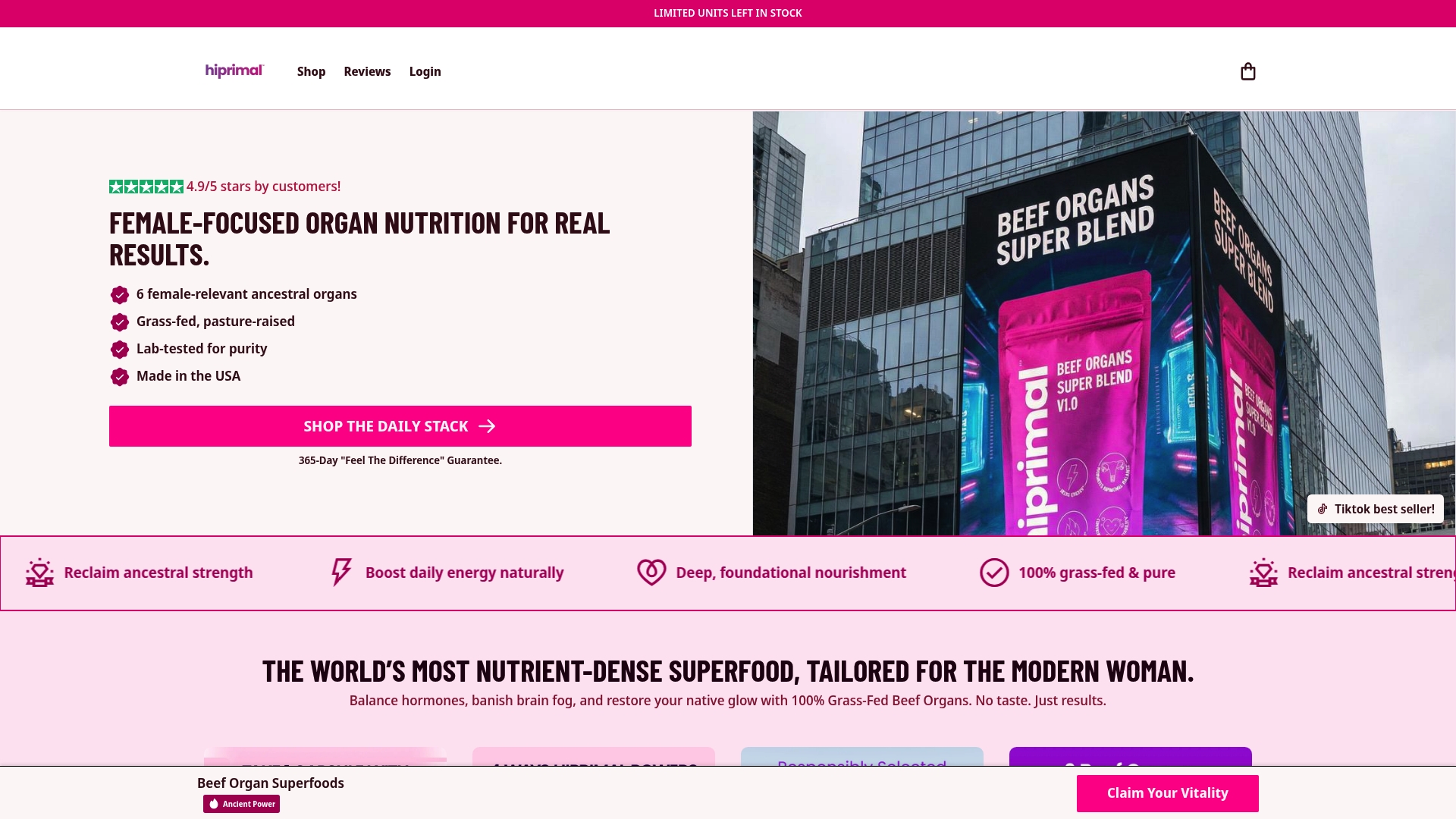
Experience the difference of real-food nutrition designed specifically for women seeking enhanced vitality and balanced immunity. Start your journey today by exploring our carefully lab-tested, ancestral-based formulas at Hiprimal.com. Don’t wait for immune stress to take its toll. Commit now to a natural supplement routine that nourishes your immune system at its core with our full range of pure beef organ products and related health solutions.
Frequently Asked Questions
What are the six essential immune support supplements for women?
The six essential immune support supplements for women include Beef Organ Supplements, Vitamin C, Zinc, Probiotics, Colostrum, and a combination of these supplements for optimal results. To enhance your immune health, consider incorporating these supplements into your daily routine.
How should I take Beef Organ Supplements for the best immune support?
Take Beef Organ Supplements consistently at the same time each day, such as in the morning with breakfast, to allow your body to build up these nutrients over time. This helps improve energy, recovery, and overall resilience to seasonal challenges.
Why is Vitamin C important for women’s immune health?
Vitamin C is crucial for women’s immune health as it strengthens immune cell function and protects against oxidative stress. To reap the benefits, take Vitamin C daily with meals containing fat or healthy carbohydrates to optimize absorption and avoid stomach discomfort.
How does Zinc contribute to my immune function?
Zinc plays a vital role in activating and regulating immune responses, helping your body fight off infections. Ensure consistent zinc intake by taking it with food, separated from high-fiber and calcium-rich meals to enhance absorption.
What role do Probiotics play in supporting immunity?
Probiotics help restore balance in your gut microbiome, which is essential for robust immune health since a large portion of your immune system resides in the digestive tract. For maximum effectiveness, take probiotics daily on an empty stomach, about 30 minutes before meals, to ensure beneficial bacteria reach your gut alive.
How can I combine these supplements for maximum immune support?
Combine Beef Organ Supplements, Vitamin C, Zinc, and Probiotics for comprehensive immune support. Space your supplement intake throughout the day—take Beef Organs in the morning, Vitamin C and Zinc with dinner, and Probiotics on an empty stomach— to prevent absorption competition while enhancing overall immune function.